10 Must-Have Shots Every Professional Dance Photographer Should Capture
Capturing the essence of dance is no small feat, especially for a professional dance photographer like Helen Rose. With over a decade of experience, we understand that each movement tells a story, and every pirouette or leap is an opportunity to freeze a moment in time. Whether it’s the grace of ballet or the energy of contemporary dance, the right shot can evoke emotion and convey the beauty of artistry. But what exactly are the must-have shots that every dance photography expert should aim to capture? Let’s dive into the essential elements that make up a stunning dance portfolio.
The Heartbeat of Dance: Action Shots
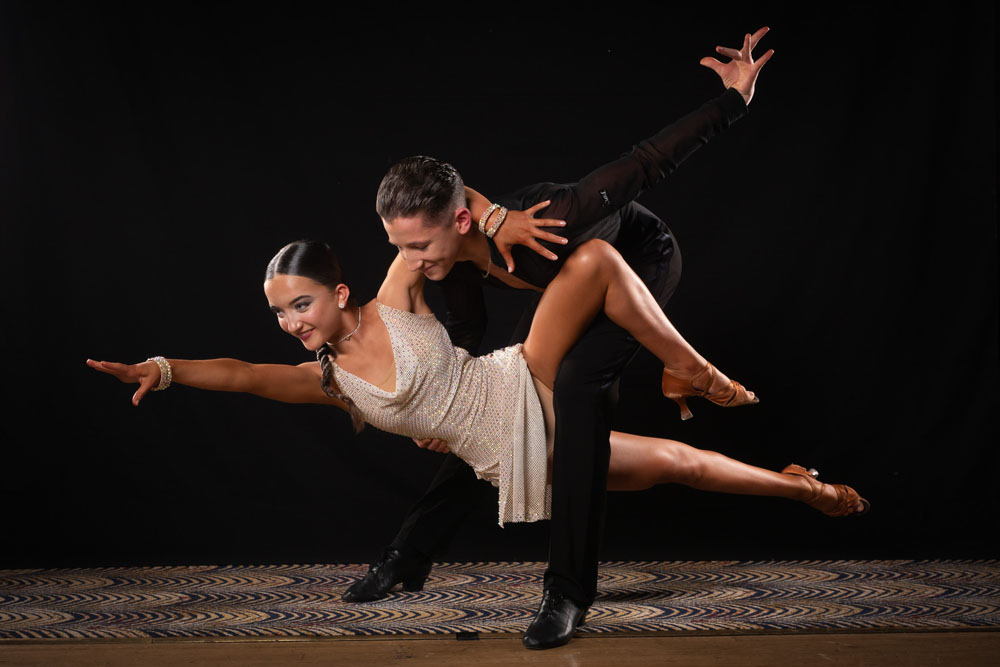
No collection is complete without dynamic dance action shots. These images showcase dancers at their peak performance — think soaring leaps or perfectly timed turns. The key lies in anticipation; knowing when to click the shutter can mean capturing that breathtaking moment when gravity seems to pause.
Portraits That Speak Volumes
As any seasoned dance portrait photographer will tell you, individual portraits are vital. They allow for intimate glimpses into a dancer’s personality and style. A well-composed portrait can reveal not just skills but passion — so be sure to focus on expressions as much as on technique.
The Group Dynamic
- Choreographed Formation Shots: Capture dancers in perfect unison. This highlights teamwork and synchronicity.
- Candid Moments: Don’t overlook those precious behind-the-scenes interactions; they tell another layer of the story!
The Venue Vibe
A skilled dancer performance photographer knows how to leverage venue elements—be it the grandeur of a theater or the intimacy of a studio—to enhance their shots. The backdrop can set the mood beautifully, wrapping each image in context.
Dramatic Lighting Effects
No one wants flat images! Experimenting with lighting techniques can add depth and drama to your photographs. From soft natural light during outdoor shoots to dramatic stage lighting, mastering these techniques will elevate your work from ordinary to extraordinary.
The Emotional Connection
“Great photography is about capturing emotions.” – Anonymous
This couldn’t be truer in dance photography! Look for those emotional moments—like joy during a competition or concentration before a performance—that resonate deeply with viewers.
Dancers in Motion: Close-Ups and Details
Capturing intricate details such as feet positioning, costume embellishments, or facial expressions in close-up shots adds richness to your portfolio. These images can highlight craftsmanship in both movement and attire!
A Day in the Life: Rehearsal Shots
Capture dancers during rehearsals; these candid shots often reveal their dedication and determination behind polished performances. An insightful look into their training process is not just rewarding for them but also provides compelling content for your audience.
Competition Highlights
If you’re focused on providing dancer competition photography services, it’s crucial to document award moments—the joy of receiving medals or trophies captures hard work paying off! These snapshots serve as cherished memories for participants.
Telling Stories Through Sequences
- Cascade Images: Create narrative sequences showing movements from start to finish; this storytelling approach adds depth.
- Thematic Shoots: Develop projects around specific themes—imagine “Seasons” where each photo embodies spring’s rejuvenation through dance!
Every professional dance photographer has their unique flair—but incorporating these essential shots into your repertoire will undoubtedly help you create a well-rounded portfolio brimming with life, energy, and artistry. Remember: every dancer has a story waiting to be told through your lens!
The Perfect Leap
Ah, the perfect leap! It’s that magical moment in dance where time seems to suspend. Capturing this precise instant is essential for any professional dance photographer. But what does it take to portray a leap that transcends mere physics and strikes a chord in the hearts of viewers?
Timing Is Everything
The art of photographing a leap begins long before the dancer takes off. As an astute dancer performance photographer, you’ll need to anticipate the movement by studying the choreography. Familiarizing yourself with the piece allows you to predict when those impressive aerial feats will occur. Just imagine: you’re poised, your camera settings dialed in, and then—whoosh! The dancer launches into the air.
Framing Your Shot
Once you know when to press that shutter, consider how you frame it. A well-composed shot captures not just the dancer but also their environment. Here are some tips:
- Wide Angle: Use a wider frame to showcase the dancer against their backdrop—be it a grand stage or an ethereal outdoor setting.
- Tight Crops: Focus on specific body parts like feet or hands during their ascent for dramatic effect.
- Silhouettes: If lighting allows, capturing a silhouette mid-leap can evoke powerful emotions, making your image stand out.
The Magic of Movement
A picture is worth a thousand words; however, a leap can convey thousands of emotions! When photographing this dynamic action, pay special attention to:
- Body Alignment: An arched back or pointed toes enhances elegance; these subtleties showcase not only skill but also artistic intent.
- Facial Expressions: The expression on a dancer’s face speaks volumes. Capturing joy, determination, or even serenity can elevate your photo from ordinary to extraordinary.
Utilizing Lighting and Effects
The right lighting can transform your leap shot from simple to sensational. Consider experimenting with:
- Dramatic Shadows: Playing with shadows can add depth and interest; think of how they contour around an airborne figure!
- Natural Light: Outdoor shoots during golden hour (the hour after sunrise or before sunset) provide soft light that flatters every jump.
- Splash Effects: For added drama, try incorporating water or smoke effects during leaps—the results can be breathtaking!
The Final Touch: Editing Magic
A perfect leap doesn’t always mean perfection in-camera; post-production plays an essential role too! Fine-tuning your images through editing software can help enhance colors and contrast while refining details without losing authenticity.
Capturing that perfect leap is more than just triggering your shutter at the right moment—it’s about encapsulating emotion, artistry, and dedication within each frame. Whether you’re aiming for commercial recognition as a dance studio photographer, or seeking to enhance your portfolio as an experienced UK dance photographer, these tips will ensure that every leap you photograph tells its own captivating story!
Emotion Through Expression
When it comes to dance, expression is everything. As a professional dance photographer, capturing the emotion that radiates from each dancer’s performance is crucial. It’s not simply about freezing a moment in time; it’s about documenting the raw feelings that each movement conveys. From joy and passion to resolve and intensity, an audience should feel something deeply when they view your images.
The Power of Facial Expressions
Facial expressions serve as the windows to a dancer’s soul. A subtle smile or a fierce gaze can transform an ordinary shot into something extraordinary. Here are some strategies for capturing those telling moments:
- Be Present: Pay close attention during rehearsals and performances; every nuance of expression adds layers to your storytelling.
- Capture Reactions: Look for spontaneous moments where dancers react to music, choreography, or their fellow performers. These authentic responses often reflect the heart of the performance.
Body Language Speaks Volumes
The way dancers carry themselves—whether through fluid movements or sharp transitions—can evoke powerful emotions. As you frame your shots, consider how body language communicates feeling:
- Posture and Positioning: A raised arm might suggest triumph, while hunched shoulders could convey defeat.
- Movement Flow: Capturing sequences can showcase shifts in emotion throughout a piece; whether it’s a dramatic twist or a gentle sway.
A Color Palette of Emotion
The colors present in a dancer’s costume or the backdrop can influence the emotional tone of an image. Think carefully about how color interacts with mood:
- Warm Tones: Colors like reds and oranges often evoke feelings of passion and excitement.
- Cool Shades: Blues and greens tend to resonate with calmness or melancholy—perfect for emotive pieces!
Telling Stories Through Movement
Your objective as an artist is to tell stories through each frame. This means not just photographing isolated movements but also sequences that illustrate emotional journeys. Consider these approaches:
- Cascade Shots: Documenting transitions from one pose to another can highlight emotional arcs within performances—just like chapters in a book!
- Thematic Series: Create mini-projects focusing on specific emotions (like joy or sorrow) that dancers express; this can deepen viewer engagement.
A Candid Connection
The best images often come from unexpected moments. Be ready with your camera during warm-ups or backstage preparations—this is where authentic emotion shines best!
“It’s not just about capturing the dance; it’s about capturing its spirit.” – Anonymous
A photograph isn’t merely an image—it’s a moment layered with meaning, emotion, and energy. By honing your ability to capture these elements as an experienced dance photography expert, you turn simple photographs into compelling narratives that resonate long after the show has ended.
If you’re eager to enhance your skills as a dance portrait photographer, remember: every shot you take holds the potential to tell a unique story filled with emotion and grace!
Dynamic Group Formations
When it comes to showcasing a group of dancers, the magic truly happens in dynamic group formations. As a professional dance photographer, capturing these configurations can highlight both artistry and teamwork, creating images that resonate with energy and precision. The beauty of dance lies not only in individual expression but also in how dancers come together to create breathtaking visuals.
The Art of Choreography
Group formations are often carefully choreographed to tell a story or convey a theme. It’s essential to understand the choreography intimately as a dancer performance photographer. This knowledge allows you to anticipate key moments when dancers align themselves perfectly, creating shapes that are visually striking. From V-formation leaps to circular formations that radiate outwards, each configuration offers a unique canvas.
Creating Visual Harmony
To capture the essence of dynamic group formations, focus on:
- Symmetry vs. Asymmetry: Symmetrical arrangements often evoke feelings of balance and harmony, while asymmetrical compositions can generate tension and excitement. Experimenting with both can add depth to your portfolio!
- Layering: Utilize different levels—some dancers can be elevated on platforms, while others remain grounded—creating layers adds dimension and intrigue to your shots.
- Tight Group Shots: For intimate moments, zoom in on small clusters within the larger group. These tight shots can capture expressions that showcase camaraderie and connection.
The Power of Color Coordination
The costumes worn by dancers play an integral role in enhancing group formations. Coordinated colors can elevate an image’s aesthetic appeal significantly:
- Complementary Colors: Using shades that complement each other can draw attention to specific movements or poses within the formation.
- Dramatic Contrasts: Bold color contrasts can create striking visual elements against softer backdrops or lighting, making your images pop.
A Candid Connection During Rehearsals
Catching those fleeting candid moments during rehearsals adds depth to your collection. Here’s where you’ll find authentic expressions of collaboration among dancers as they perfect their movements together:
- Backstage Interactions: Document interactions between dancers during warm-ups or discussions about choreography; these moments reflect the relationships forged through hard work.
- Candid Celebrations: Capture spontaneous reactions from the group after nailing a challenging sequence; these jubilant expressions convey pure joy!
A Storytelling Approach
The most compelling dance photographs tell a story—not just about individual performances but about group dynamics as well. Consider developing themes around unity and teamwork by:
- Telling A Story Through Sequences: Capture multiple shots that illustrate how a formation evolves through different stages—this narrative approach captivates viewers!
- Thematic Series Development: Create series based on concepts such as “Connection” or “Journey,” where each image portrays how dancers interact and respond within their groups.
Nailing That Perfect Moment
You never know when those magical moments will happen—so staying vigilant is key! Be prepared for spontaneous shifts within groups; sometimes it’s the unplanned adjustments that result in stunning compositions!
“Dance is the hidden language of the soul.” – Martha Graham
Diving into dynamic group formations offers new levels of creativity for any dedicated dance photography expert. By understanding choreography, focusing on visual elements, and capturing candid connections among dancers, you’ll create images that not only showcase talent but also tell powerful stories filled with emotion and grace.
Your lens has the power to encapsulate every leap, twist, and turn made by dancers working together harmoniously—so go forth and make some magic happen!
The Poised Portrait
The poised portrait is where the elegance of dance meets the artistry of photography. For a professional dance photographer, capturing this moment is essential, as it encapsulates the essence of a dancer’s emotion, character, and technique in a single frame. Think of it as the stillness before the storm — where grace and strength coexist harmoniously.
Setting the Stage
To create a striking posed portrait, consider your backdrop carefully. Whether it’s a scenic outdoor location or a minimalist studio setting, each choice carries weight. Here are some factors to keep in mind:
- Complementary Backgrounds: Choose backgrounds that enhance the dancer’s costume and pose. A lush green park or an urban landscape can add layers of depth and context to your portraits.
- Simplicity Is Key: Sometimes less is more! A neutral backdrop helps draw attention to your subject without distractions.
The Power of Posing
The way dancers pose can communicate so much about their performance style and personality. As you work with them, encourage poses that feel natural yet dynamic. Here’s how you can elevate their poses:
- Lines and Angles: Strive for clean lines through arms, legs, and body positions—these draw the viewer’s eye across the image.
- Emotion Through Expression: Encourage dancers to connect emotionally with their poses; whether it’s joy or introspection, these feelings should resonate through every shot.
Lighting Mastery
A well-lit portrait can transform an image from ordinary to extraordinary. Experimenting with light sources will also greatly affect mood:
- Natural Light: Utilize soft natural light during golden hour for gentle highlights on facial features and costume details.
- Dramatic Studio Lighting: Play with shadows and highlights in the studio setting to accentuate contours—this adds drama to the dancer’s form.
The Importance of Details
A close-up on intricate details can elevate your portraits significantly. Zoom in on elements that speak volumes about the dancer’s craft:
- Cultural Costumes: Highlight unique aspects of traditional costumes that tell stories beyond movement.
- Tight Shots of Hands & Feet: These often-overlooked elements can reveal immense emotional depth—consider how fingers might curl or point during an expressive pose!
Candid vs. Posed: Finding Balance
While posed portraits are essential, don’t shy away from capturing candid moments too! The fleeting expressions caught between formal setups can yield surprising results:
- Pre-Performance Moments: Capture a dancer stretching or adjusting their costume; these raw glimpses into preparation reveal vulnerability and dedication.
- The Unplanned Smile: Be ready for spontaneous laughter or encouragement exchanged backstage—these moments breathe life into any portfolio!
A Narrative Element
Your goal as a dance photography expert isn’t just to capture beautiful images but also to tell compelling stories through them. Consider creating thematic series that explore different emotions through posed portraits—each shot could reflect facets like joy, determination, and serenity in dance!
“Dance is the joy of movement and the heart of life.” – Anonymous
The poised portrait serves as an anchor point in every professional dance photographer’s portfolio. It’s more than just an image; it encapsulates a dancer’s spirit while bridging artistry with emotion. By mastering composition, lighting, and storytelling within your shots, you’re not only highlighting technical skill but also celebrating the unique story each dancer brings to life!
If you’re eager to refine your craft further as a seasoned dance photography expert, remember: every poised portrait is a testament to both talent and tenacity—so go out there and make those timeless shots happen!
Backstage Candid Moments
There’s a hidden world behind the scenes of every dance performance that is often just as rich and captivating as the show itself. For the professional dance photographer, capturing these backstage candid moments is essential. It’s where the real stories unfold—moments of camaraderie, nervous energy, and raw emotion take center stage when the spotlight fades. These candid shots not only provide context but also create a deeper narrative about the dancers and their craft.
The Anticipation Before the Show
Before a performance begins, there’s an electric buzz in the air. Dancers stretch, chat, and share last-minute pep talks while preparing mentally for their time on stage. As a dancer performance photographer, your role is to seize these fleeting moments:
- Warm-Up Rituals: Capture dancers going through their warm-up routines; these images can reveal their dedication and commitment to the art form.
- Nervous Laughter: The laughter shared among dancers before they hit the stage can break the tension and showcase their personalities.
The Team Dynamic
Backstage is where friendships solidify, and teamwork flourishes. Acknowledging this dynamic adds richness to your work:
- Group Huddles: Photograph moments when dancers come together for group huddles or motivational chants—they illustrate unity!
- Candid Conversations: Look for those intimate exchanges—a quiet word of encouragement or a shared joke can add depth to your portfolio.
The Raw Emotion of Preparation
Candid moments often reflect genuine emotions that resonate deeply with viewers. As you navigate backstage areas, keep an eye out for:
- Anxious Glances: A dancer biting their lip or fidgeting can speak volumes about pre-performance jitters.
- Solo Reflection: Isolate a dancer deep in thought or practicing in solitude—these introspective moments are universally relatable.
The Beauty of Costumes and Makeup
The transformation from rehearsal wear to dazzling costumes is nothing short of magical. Capture this process as it unfolds:
- Candid Costume Adjustments: Snap shots of dancers adjusting their costumes or applying makeup—these behind-the-scenes details tell a story beyond movement.
- Final Touches: The moment before stepping onto stage, catching that last-minute touch-up can be incredibly impactful!
A Unique Perspective on Performance
Candid shots from backstage provide an alternative perspective on what it means to perform. They allow viewers to appreciate everything that goes into creating stunning dance presentations. Here are some ideas for capturing these perspectives:
- Tactile Details: Focus on hands tying shoelaces or feet slipping into ballet slippers—these close-up details add texture and intimacy to your images.
- Distant Snapshots: Pull back your lens to capture silhouettes against dressing room mirrors; these abstract shots evoke emotions without showing faces directly.
The Story Beyond Performance
Your photographs should tell more than just what happens on stage—they should narrate stories filled with passion and artistry behind it all! Consider compiling a series focused on backstage life that highlights everything from preparation rituals to post-performance celebrations. This series could offer audiences insight into what it takes to create those breathtaking performances they love!
“The magic happens in those in-between moments.” – Anonymous
A true dance photography expert knows that every candid moment captured adds another layer to the story being told through movement. By focusing on backstage candid moments, you’re not only documenting art but also celebrating community—the heartbeat of every dance troupe! So, grab your camera and head behind the curtain; there’s a treasure trove waiting just for you!
The Dramatic Silhouette
In the world of dance photography, few shots are as striking and evocative as the dramatic silhouette. This technique allows a professional dance photographer to strip away the noise and distractions, focusing solely on the form, movement, and narrative that unfolds within the dancer’s body. When executed well, silhouettes can convey immense emotion and power, inviting viewers to interpret the art in their own unique way.
The Art of Backlighting
The secret to mastering the dramatic silhouette lies primarily in lighting. Backlighting is essential; it creates a halo effect around your subject while casting their form into shadow. Here’s how to make it work:
- Natural Light: Position your dancers against a sunset or sunrise backdrop for soft hues that enhance their outlines. The golden hour is perfect for achieving this ethereal quality.
- Studio Lighting: Use strong key lights from behind while allowing ambient light to fill in from the front. Experiment with modifiers — diffusers can soften harsh edges, creating a more fluid look.
Choosing Your Poses Wisely
The beauty of silhouettes lies in their ability to highlight movement and form without revealing intricate details. Therefore, selecting poses becomes all the more critical:
- Dramatic Lines: Encourage dancers to create angles and lines—think extended arms or arched backs that stretch towards the light.
- Mood Alignment: Whether it’s an expressive leap or a grounded stance, choose poses that evoke specific emotions you want to capture—strength, grace, sorrow, or joy!
The Impact of Composition
A well-composed silhouette shot draws viewers into its narrative seamlessly. As you frame your shot:
- Negative Space: Utilize empty space around your subject to enhance focus; minimalist designs often resonate stronger than cluttered compositions.
- Rule of Thirds: Place your dancer off-center for a dynamic effect; this can lead the viewer’s eye across the image naturally.
Telling Stories Without Words
The true power of silhouettes lies in their ability to convey stories without context. Here are tips for storytelling through your imagery:
- Create Series: Develop a sequence of silhouettes that showcase a dancer transitioning through different emotions or choreography phases—viewers will appreciate this narrative flow!
- Thematic Concepts: Explore themes such as “Isolation” or “Freedom,” where each image encapsulates various interpretations through shape and posture alone.
Edit with Intention
Your editing process can further enhance these dramatic shots. Consider these techniques during post-processing:
- Contrast Adjustment: Increasing contrast can deepen blacks while making highlights pop; this helps delineate shapes even further.
- Cropping Techniques: Play with cropping after shooting—the tighter you crop around a dancer’s silhouette, the more powerful an impact it may have on emotion!
“In silence lies the power of expression.” – Anonymous
The dramatic silhouette serves as a beautiful reminder that sometimes less is indeed more. By emphasizing form over detail, you allow viewers to engage with dance on an emotional level rather than just admiring technical prowess. Armed with these techniques and an eagerness to explore creativity, any aspiring dance photography expert can transform ordinary moments into extraordinary art pieces that resonate long after viewing!
The Fluidity of Motion Blur
Motion blur is an artistic technique that can add a dynamic flair to dance photography, capturing the fluidity of movement in a way that still images often cannot. As a professional dance photographer, mastering motion blur allows you to convey the energy, grace, and passion that define each performance. Instead of freezing a moment in time, this technique embraces movement, creating an evocative representation of the dancer’s artistry.
The Science Behind Motion Blur
At its core, motion blur occurs when a moving object is captured while the camera shutter remains open. The result? A beautiful blend of action and stillness that draws the viewer’s eye. Here’s how to effectively utilize this technique:
- Shutter Speed: Experiment with slower shutter speeds (e.g., 1/30 to 1/125 seconds) to allow for enough light to hit the sensor while capturing motion.
- Panning Technique: Follow the dancer’s movement with your camera as they leap or spin; this keeps them relatively sharp while blurring the background—a technique that enhances the sense of speed.
Selecting The Right Moments
Choosing when to employ motion blur is crucial! Look for moments where dancers embody fluidity—this may include:
- Sweeping Arm Movements: Capture their arms in graceful arcs as they move through space.
- Twirls and Spins: A well-timed shot during a pirouette can produce stunning visual effects, turning an ordinary moment into something magical.
The Emotional Impact
Motion blur captures not just movement but emotion as well. When done correctly, these images can evoke feelings—like exhilaration or serenity—within viewers. Here’s how you can enhance this emotional connection:
- Use of Color: Warm tones in costumes or backgrounds can amplify feelings of joy and excitement; conversely, cooler colors might suggest calmness or introspection.
- Candid Expressions: Look for those authentic moments during performances where dancers’ faces reflect their emotions; pairing sharp details with blurred movements creates contrast that resonates deeply with spectators.
The Importance of Composition
A well-composed motion blur shot will guide your viewer’s gaze through the image seamlessly. Consider incorporating these tips into your approach:
- Leading Lines: Utilize natural lines created by dancers’ bodies or movements to direct attention throughout the image.
- Narrative Flow: Frame shots to tell a story; capturing a sequence of movements from start to finish heightens engagement!
Edit for Extra Flair
Your creative process doesn’t end once you’ve captured an image! Post-processing can enhance motion blur effects further:
- Adding Contrast: Increasing contrast between blurred areas and sharper sections makes each element pop!
- Saturation Adjustments: Enhance colors post-shoot to ensure your images convey mood without losing authenticity.
“Motion blur transforms chaos into harmony.” – Anonymous
The fluidity of motion blur can elevate your dance photography from good to breathtaking by celebrating movement’s beauty rather than attempting to contain it. This unique storytelling tool lets viewers feel as if they are witnessing a dance unfold right before their eyes! So grab your camera and venture into the world of dynamic capture; there lies tremendous potential waiting within every leap and twirl!
Close-Up Details of Movement
When it comes to dance photography, the magic often lies hidden in the details—especially in close-up details of movement. These shots provide a unique perspective that can reveal the artistry and technique behind each performance. As a professional dance photographer, honing in on these intricate elements allows you to showcase the beauty of dance beyond grand leaps and sweeping motions.
The Beauty of Feet
The feet are the unsung heroes of dance. Each position, flex, and point tells a story about a dancer’s training and commitment. When capturing close-ups:
- Highlight Precision: Focus on how toes are pointed during a leap or how feet land softly after a jump. These nuances convey skill and dedication.
- Showcase Footwear: Whether it’s ballet slippers or jazz shoes, capturing the shoes adds context to the dancer’s style and discipline.
Expressive Hands
A dancer’s hands can often express what words cannot. From graceful extensions to powerful gestures, hand movements add depth to emotional storytelling:
- Candid Expressions: Capture hands in motion—perhaps grasping fabric during a turn or reaching outward during an emotional crescendo. These shots evoke connection and thoughtfulness.
- Detail Shots: Close-ups of hands can also reveal sweat or tension, underscoring the effort behind every performance!
The Fabric in Motion
Dancers’ costumes are not just clothing; they’re an integral part of their art. The way fabrics move can enhance your photographs significantly:
- Cascading Fabrics: Capture moments when fabric flows beautifully with movement, creating dynamic shapes that complement the dancer’s form.
- Costume Details: Zoom in on embellishments like sequins or lace—these intricate details tell stories about character and theme!
The Expression Behind Movement
A dancer’s face is a canvas of emotion. Capturing this expression can make all the difference in conveying the spirit of their performance:
- Pivotal Moments: Look for those fleeting expressions that, determination, or even vulnerability. Close-ups during key moments add drama!
- Candid Smiles: Sometimes it’s not just about intensity; capturing genuine smiles often conveys infectious passion!
Telling Stories with Sequence Shots
Close-up details are fantastic alone but become even more powerful when woven together into sequences. Consider documenting moments as they unfold in rapid succession:
- A Sequence of Emotion: Capture one movement leading into another; for example, show a dancer transitioning from an expressive pose into a leap—the progression tells its own story!
- Dramatic Builds: Create narratives by showcasing how tension builds through body positions before culminating in powerful movements!
“Details create the big picture.” – Anonymous
The close-up details of movement serve as vital pieces that elevate your work from standard to extraordinary. By focusing on these intricate aspects as an experienced dance photography expert, you will breathe life into each shot—capturing not just what dancers do but also revealing who they are through their art! So grab your camera, get close, and let every detail tell its own captivating story!
The Iconic Finale Pose
Every performance culminates in that unforgettable moment—the iconic finale pose. As a professional dance photographer, capturing this moment is essential because it encapsulates the culmination of all the hard work, emotion, and artistry poured into the performance. This pose is not just a simple stance; it’s a powerful expression of triumph, satisfaction, and connection with the audience.
The Importance of Timing
Timing is everything when capturing the finale pose. You’ll need to anticipate when that climactic moment will arrive—often during the last musical note or amidst roaring applause. Here’s how you can be prepared:
- Know the Choreography: Familiarize yourself with the dance piece to predict when the grand finale will occur. Being in sync with the dancers allows you to position yourself for optimal shots.
- Set Your Camera Settings: Ensure your camera settings are ready for quick adjustments; fast shutter speeds help freeze those final striking moments without any blurriness.
Framing for Impact
The way you frame the iconic finale pose can transform a good shot into a breathtaking one. Consider these approaches:
- Wide Shots: Capture the entire stage to showcase not just the dancer but also their surroundings and how it ties into their performance.
- Tight Crops: Focusing closely on facial expressions or hands can evoke intense emotions, allowing viewers to connect deeply with the dancer’s experience.
The Role of Emotion
The beauty of dance lies in its ability to convey emotions. The last pose should reflect all that has transpired during the performance—joy, struggle, and triumph. To effectively capture this:
- Cues from Facial Expressions: Pay attention to what’s happening on stage; a dancer’s expression can tell you if they’re soaking up applause or reveling in personal victory.
- Bodily Flourishes: Look for extensions—a raised arm or an arched back—that express confidence and completion; these details add layers of meaning!
Dramatic Lighting Effects
The right lighting can elevate your iconic finale pose from ordinary to extraordinary. Experiment with various lighting techniques:
- Spotlights: Utilize spotlights on stage to create dramatic contrasts between light and shadow, accentuating forms and movements beautifully.
- Naturally Lit Environments: If you’re shooting outdoors or in well-lit areas, utilize natural light during dusk or dawn for an ethereal glow around dancers!
Shooting from Different Angles
Your choice of angle can drastically impact how powerful your shot feels. Consider shifting perspectives by shooting from different vantage points:
- Beneath Them: Shooting upwards can convey an imposing sense of grandeur—perfect for those towering poses that scream ‘victory’!
- Audience Perspective: Capturing reactions from viewers (if allowed) adds another dimension—it frames how impactful that moment is beyond just what happens on stage.
Edit Like an Artist
- Saturation Adjustments: Elevate specific colors that pop within costumes or background settings to create eye-catching focal points.
- Dramatic Cropping!: Tighten up shots if necessary to focus more on expressions—this draws viewers into the emotional core of each pose.
“The finale is not just an end; it’s a celebration.” – Anonymous
The iconic finale pose is more than just a photograph—it’s a celebration of artistry and hard work distilled into one striking image! By honing your skills as an experienced dance photography expert, you’ll ensure every final bow echoes through eternity in your portfolio. So get ready with your camera next time—and snap away at that breathtaking moment when dancers take their final stand!
Dancers Interacting with Their Environment
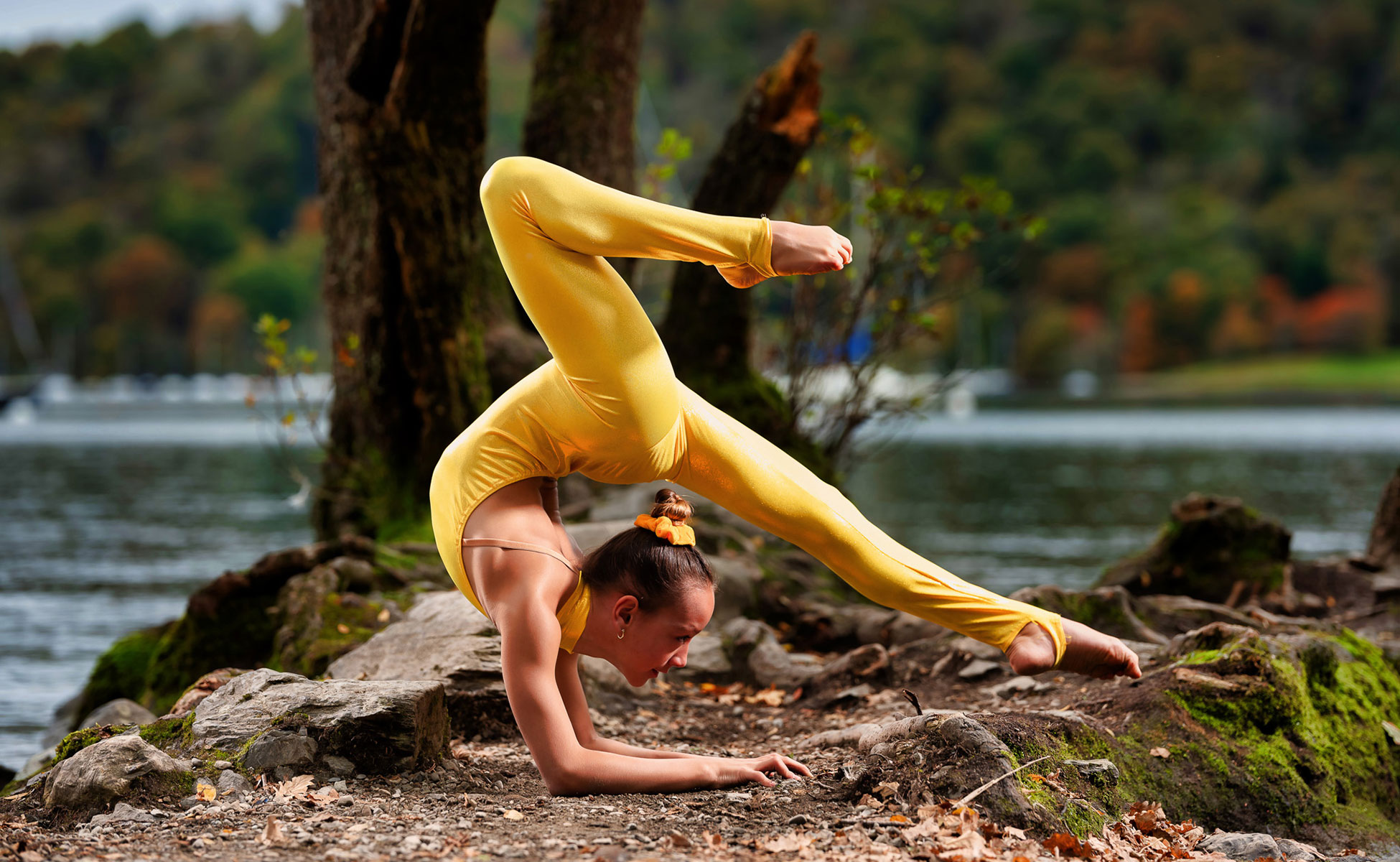
When dancers interact with their environment, magic happens. As a professional dance photographer, capturing these moments can elevate your portfolio, revealing not just the technical prowess of the dancers but also the intricate relationship between their movements and the world around them. Whether it’s an urban backdrop, a natural setting, or a beautifully designed stage, each location adds a unique layer to the storytelling.
Finding Unique Backdrops
Location is everything! A striking environment complements dance and can transform ordinary shots into extraordinary ones. Here are some ideas to consider:
- Urban Settings: Think gritty alleyways or bustling streets. The juxtaposition of urban life with graceful movement creates a fascinating visual narrative.
- Natural Landscapes: Fields, forests, or beaches can evoke feelings of freedom and connection to nature. Dancers leaping against a sunset or twirling among flowers can create breathtaking imagery.
- Architectural Wonders: Utilize interesting structures like bridges or historical buildings to frame your subjects uniquely. The lines and shapes can add depth and context to your shots.
The Dance of Elements
The elements—light, wind, and even water—play a significant role in how dancers relate to their surroundings. Here’s how you can incorporate them effectively:
- Lighting Magic: Natural light during golden hour offers soft tones that beautifully illuminate dancers while casting enchanting shadows—perfect for dramatic silhouettes!
- The Wind Factor: Utilize breezy days! Capture flowing fabrics dancing in the breeze; this adds dynamic movement that enhances the gracefulness of each pose.
- Pools of Water: Reflections in puddles or lakes can create mesmerizing mirroring effects; imagine a dancer’s leap captured while surrounded by water reflections!
Candid Interactions with Surroundings
Candid moments reveal authenticity—the beauty of spontaneity when dancers engage with their environment naturally:
- Dancers Exploring Locations: Capture them interacting with their surroundings—whether it’s stretching against a tree, balancing on a railing, or posing playfully near an iconic landmark.
- Breathe Life Into Poses: Candid shots that show dancers preparing for their next move bring viewers into the action. Think about how they warm up in different environments!
Telling Stories Through Environment
The environment can serve as an essential narrative device within dance photography. Consider these storytelling techniques:
- Thematic Series: Create series around specific themes such as “Nature’s Embrace” where dancers reflect physicality through various outdoor settings.
- Narrative Sequences: Documenting a dancer’s journey through different landscapes showcases not only skill but also adaptability and expression within varying contexts.
Edit for Impact
Your editing process also plays a pivotal role in enhancing how dancers interact with their surroundings. Here are some tips on how to polish those images post-shoot:
- Saturation Adjustments: Add vibrancy to colors found in both costumes and backgrounds; this helps create focal points that draw viewers’ attention effectively.
- Dramatic Cropping: Tighten up shots when necessary to eliminate distractions around your subject while maintaining contextual significance from the background.
“Every environment has its own story; it’s up to us to capture it.” – Anonymous
Dancers interacting with their environment opens up an array of creative opportunities for any dedicated dance photography expert. By embracing various locations and elements while focusing on candid moments, you’ll find your photographs resonate on deeper emotional levels. So grab your camera and venture out into the world—there’s an endless canvas waiting for you to explore!